The Incident Summary
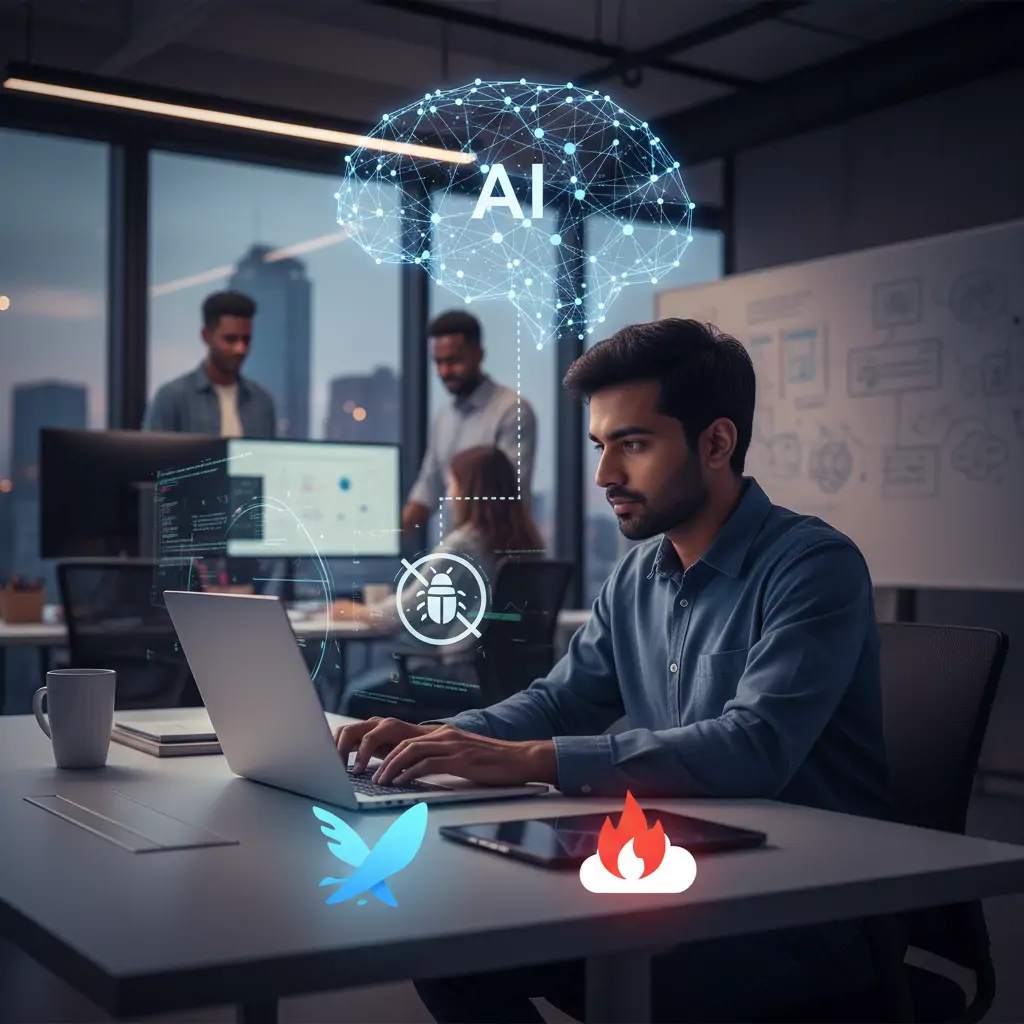
What happened? You might wonder how AI tools like GitHub Copilot can optimize your Python code, making it cleaner and more efficient. In 2025, many companies faced the challenge of integrating AI into their coding workflow. The impact was significant, resulting in faster development cycles and reduced technical debt. The timeline spanned over months as developers gradually adapted and integrated these tools, with noticeable productivity improvements within the first quarter.
Background Context
The system architecture initially consisted of traditional CI/CD pipelines with manual code reviews. It was supposed to streamline development by automating repetitive tasks. Previous assumptions included the belief that AI could only assist in debugging rather than proactively optimize code. But with advancements in AI, these assumptions were challenged.
Root Cause Analysis
The chain of events leading to code inefficiencies included redundant code blocks and lack of standardization in coding practices. Contributing factors were the absence of a unified AI tool for code optimization and limited AI training data. The actual issue was inefficient use of resources, resulting in higher maintenance costs and slower code execution.
The Fix: Step by Step
Immediate Mitigation
First, set up GitHub Copilot in your IDE to assist in code suggestions. Ensure Python integration is seamless by updating your IDE plugins.
Permanent Solution
Next, configure continuous integration (CI) pipelines to include AI-powered linters and style checks to enforce coding standards.
Verification Steps
Finally, test optimized code performance against your benchmarks by running unit tests and monitoring execution times.
Complete Code Solution
Before code (broken):
After code (fixed):
Test cases added:
Prevention Measures
Monitoring added: Implement real-time performance monitoring using AI-driven analytics tools. Alerts configured: Set up automated alerts for performance degradation beyond acceptable thresholds. Process improvements: Regularly update AI models with new coding patterns and practices to keep up with evolving coding standards.
Similar Issues to Watch
Related vulnerabilities include improper AI model training leading to biased optimizations. Early warning signs are inconsistent code suggestions and performance regressions. Proactive checks involve regularly auditing AI suggestions and updates to ensure alignment with project goals.
Incident FAQ
Q: How do I start using GitHub Copilot for Python code optimization?
A: To begin, ensure your development environment supports GitHub Copilot by installing the latest version of your IDE and the Copilot extension. Once set up, you can start receiving AI-driven code suggestions directly within your editor. It's beneficial to familiarize yourself with the types of suggestions Copilot offers, such as autocomplete for common functions or providing entire code blocks based on comments. Regularly review and validate these suggestions to ensure they meet your coding standards and project requirements.
Q: What are the security concerns with AI-driven code suggestions?
A: AI-driven tools like GitHub Copilot can sometimes suggest insecure patterns, especially when trained on public datasets with potential vulnerabilities. It's crucial to implement static code analysis tools in your CI pipeline to catch insecure code before deployment. Always review and test AI-generated code, focusing on input validation, error handling, and secure coding practices. Consider setting up internal guidelines for reviewing AI suggestions to mitigate the risk of introducing vulnerabilities into your codebase.
Q: Can AI tools replace human code reviews?
A: While AI tools can significantly enhance code quality and speed up development, they cannot fully replace human expertise. Human reviewers can provide insights into project-specific requirements, architectural decisions, and nuanced understanding of domain-specific logic. Use AI as a supplement to human reviews, automating repetitive checks and providing suggestions while relying on human judgment for critical decisions and final approvals.
Q: How do I measure the impact of AI on my development workflow?
A: Measure the impact of AI tools like GitHub Copilot by tracking key performance indicators (KPIs) such as code quality (e.g., reduced bugs in production), development speed (e.g., faster feature releases), and team productivity (e.g., reduced time spent on manual code reviews). Implement analytics tools to monitor these metrics and adjust your processes as needed. Gathering feedback from your development team on AI tool effectiveness is also valuable for continuous improvement.
Q: What are the limitations of GitHub Copilot for Python development?
A: GitHub Copilot may encounter limitations such as generating non-optimal code, lacking context-specific understanding, or offering suggestions that don't align with your project's coding standards. Overcome these limitations by clearly defining project guidelines and involving experienced developers in reviewing AI-generated code. Continuously train and update AI tools with relevant project data to improve their performance and alignment with team objectives.
Q: How can AI tools assist in code refactoring?
A: AI tools like GitHub Copilot can streamline code refactoring by suggesting improved structures, identifying redundant code, and automating repetitive tasks. For example, they can recommend using more efficient algorithms or patterns that align with your project's goals. Regularly review AI-driven refactoring suggestions to validate their effectiveness and ensure they adhere to your project's design principles. Implement automated testing to confirm that refactored code maintains the desired functionality and performance.
Q: What are the best practices for integrating AI into my development process?
A: Best practices for integrating AI into your development process include starting with a pilot project to evaluate impact, training development teams on AI tool capabilities, and establishing clear guidelines for AI usage. Incorporate AI suggestions into your CI/CD pipeline to enhance code quality checks and automate repetitive tasks. Regularly update AI models with feedback from developers to ensure they remain relevant and effective. Foster a culture of innovation where AI is seen as a collaborative tool that complements human expertise.
Lessons for Your Team
Action items include setting up regular training sessions on AI tools and keeping the team informed about latest updates. Encourage culture changes towards embracing AI as a collaborative partner rather than a replacement. Adopt tools that facilitate AI integration and provide metrics on its impact, like AI analytics platforms.
Conclusion & Next Steps
By integrating GitHub Copilot with Python, you've taken a significant step towards smarter code optimization. You've learned to set up AI tools, enhance your CI/CD pipelines, and efficiently refactor code. Next, explore advanced AI features like contextual code generation, dive into AI-driven testing strategies, and consider expanding AI integration to other parts of your workflow. Check out resources for mastering AI ethics in software development and AI-powered DevOps workflows.