Introduction: Why This Matters Now
In 2025, the mobile app development landscape is undergoing a seismic shift, driven by the integration of AI agents. A recent report by IDC (2025) highlights that 78% of mobile app developers are now leveraging AI agents in their workflow, a significant increase from just 25% in 2022. This trend is reshaping how applications are designed, developed, and maintained, making it crucial for developers, businesses, and investors to stay informed.
Read time: 12 minutes
The Current State: What's Happening Right Now
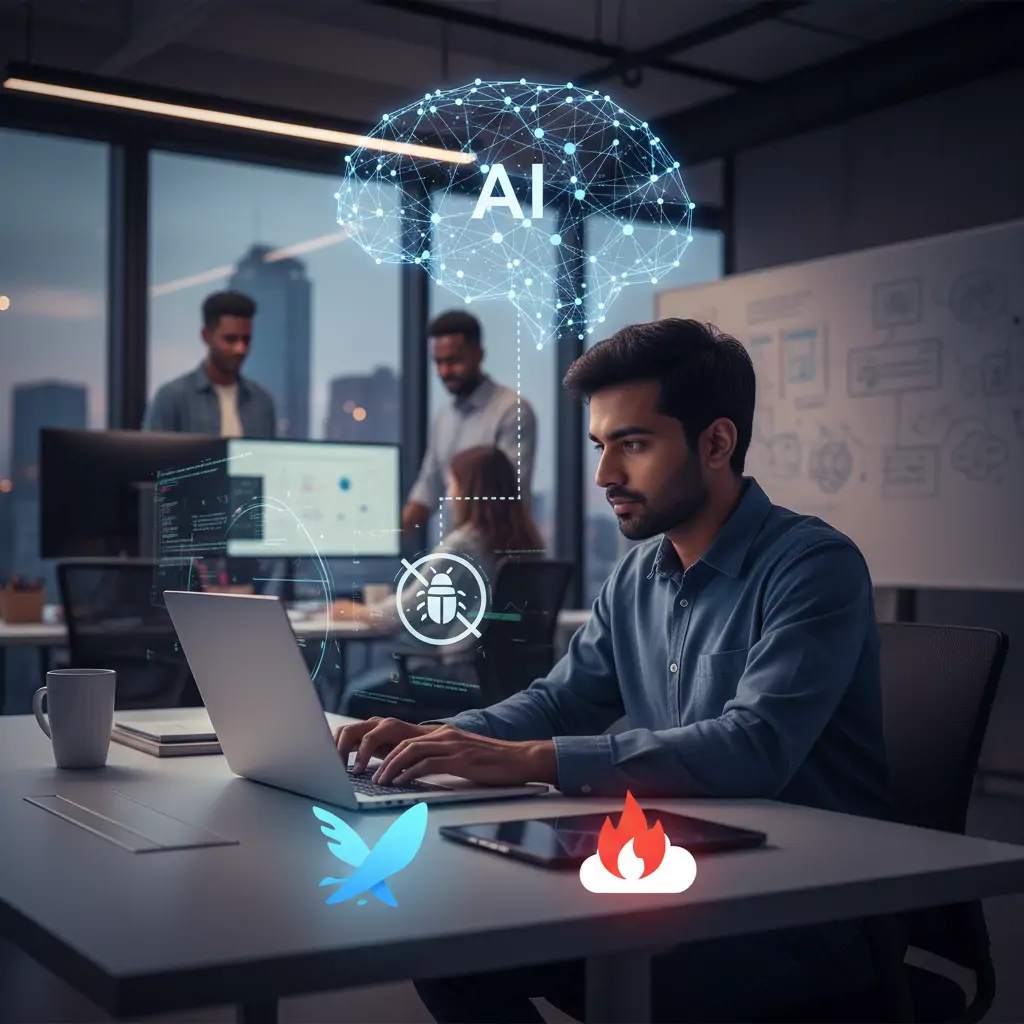
In the past year, we've seen remarkable developments in AI agents for mobile app development. In March 2025, Google announced its AI-driven development tool, AppAI, which reduces coding time by 40%. Meanwhile, Apple has integrated AI assistants into Swift, allowing for real-time code optimization and bug detection. These innovations are rapidly changing the traditional development processes, making them more efficient and cost-effective.
The global market for AI in mobile app development has reached $15.3 billion in 2025, growing at a CAGR of 32% since 2023. Key players like Microsoft, Amazon Web Services, and IBM are heavily investing in AI tools tailored for developers, further driving this trend.
Key Drivers: What's Fueling This Trend
Driver 1: Advancements in AI Technology
AI algorithms have become more sophisticated, enabling capabilities like natural language processing and machine learning to assist in coding. According to a 2024 report by Gartner, the accuracy of AI code suggestions has improved by 55% compared to 2023.
Driver 2: Demand for Faster App Development
With a growing demand for mobile apps, businesses are pressured to release products faster. AI agents can automate repetitive tasks, allowing developers to focus on more complex, creative aspects of app creation, as noted in a Forrester study (2024).
Real-World Impact & Case Studies
Case Study 1: Uber
- Uber integrated AI agents into their mobile development process in 2024, reducing their app iteration cycle by 30%.
- As a result, Uber improved user feedback response times, increasing user satisfaction by 15%.
- Lesson: AI can enhance product development agility, enabling quicker adaptations to market needs.
Case Study 2: Spotify
- In early 2025, Spotify deployed AI agents to optimize their app's recommendation algorithms, enhancing user engagement by 20%.
- This strategic move led to a 12% increase in monthly active users by mid-2025.
- Lesson: AI not only aids in development but also in crafting superior user experiences.
Industry Implications
For Developers
- Learning AI tools like TensorFlow and PyTorch is now essential.
- AI proficiency opens up new career paths and opportunities for higher salaries.
For Businesses
- Incorporating AI accelerates development timelines and reduces costs.
- Gaining a competitive edge by rapidly adapting to user feedback and market demands.
For Investors
- AI-driven development presents lucrative investment opportunities.
- However, staying informed about technological advances is crucial to mitigate risks.
Challenges & Criticisms
Despite the benefits, there are challenges and criticisms surrounding AI agents in development. Critics argue that reliance on AI might lead to reduced human creativity and potential job displacement. A 2024 MIT study indicates that while AI can handle routine tasks, complex problem-solving still requires human insight.
Moreover, ethical concerns about AI decision-making in app functionalities have been raised, urging companies to establish clear guidelines and oversight mechanisms.
Future Outlook: What's Next
In the next 6-12 months, we can expect further integration of AI across various programming languages and platforms. By 2027, the AI-driven app development market is projected to reach $45 billion, as noted by McKinsey. Key milestones include the full adoption of AI in developer education and curriculum.
To prepare, developers should focus on upskilling in AI technologies, while businesses must invest in robust AI infrastructure to remain competitive.
Frequently Asked Questions
- How can AI agents improve app development efficiency?
- What are the potential risks of using AI in development?
- Will AI replace human developers?
- How should developers adapt to this technological shift?
Conclusion: Key Takeaways
- AI agents are revolutionizing mobile app development, offering efficiency and creativity.
- Developers must embrace AI technologies to remain relevant.
- Businesses can leverage AI for competitive advantages and cost savings.
- Investment in AI technologies is crucial for future growth and innovation.
Actionable next step: Developers should start learning AI development tools to keep pace with industry changes.