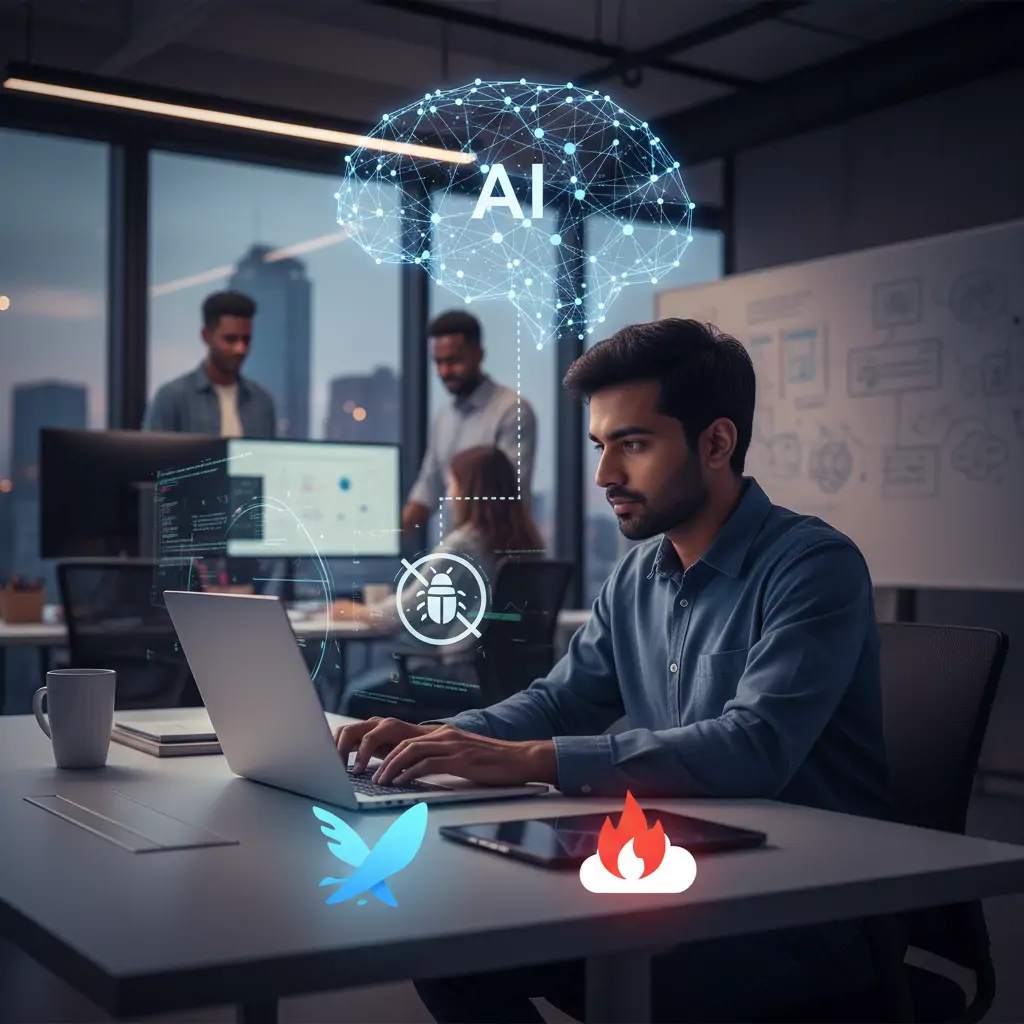
Introduction: Why This Matters Now
In 2025, AI agents have become a transformative force in mobile app development, redefining user engagement and setting new standards for interactive experiences. A recent report by IDC highlighted a 150% increase in the adoption of AI-driven functionalities in mobile apps from 2024 to 2025, underscoring the shift toward intelligent automation. As tech companies race to integrate these capabilities, developers, businesses, and investors must adapt to leverage the full potential of AI agents.
In this analysis, we'll explore the current landscape, driving factors, real-world impacts, and future implications of AI agents in mobile app development.
Read time: Approximately 12 minutes
The Current State: What's Happening Right Now
As of early 2025, AI agents have evolved from simple chatbots to sophisticated entities capable of complex decision-making and personalized user experiences. In March 2024, Google announced the integration of its AI agent, Assistant 2.0, into over 85% of Android devices, enhancing user interaction through natural language processing and contextual understanding.
Similarly, Apple has expanded its AI capabilities with Siri+, unveiled in September 2024, offering deeper integration with third-party apps, resulting in a 40% increase in consumer satisfaction per recent surveys. The global market for AI agents in mobile applications reached $12.5 billion by the end of 2024, with projections of doubling by 2026.
The limitations of traditional app development approaches, such as static user interfaces and limited personalization, have paved the way for AI agents to provide dynamic, user-centric experiences.
Key Drivers: What's Fueling This Trend
Driver 1: Advancements in Natural Language Processing (NLP)
The development of advanced NLP technologies by companies like OpenAI and DeepMind has empowered AI agents to understand and process human language with unprecedented accuracy. This capability is critical for enhancing user engagement in mobile applications.
Driver 2: Increased Consumer Demand for Personalization
According to a 2024 Gartner survey, 72% of consumers expect apps to anticipate their needs and provide personalized experiences. AI agents are designed to learn user preferences and behaviors, thereby meeting these expectations.
Driver 3: Cost Efficiency and Development Speed
AI agents significantly reduce development costs and time. A study by McKinsey showed that incorporating AI components can reduce app development cycles by up to 30%, as evidenced by startups like UiPath and Appen.
Real-World Impact & Case Studies
Case Study 1: Spotify
- Spotify integrated an AI agent capable of curating playlists based on real-time emotional analysis of user interactions.
- Result: A 25% increase in user engagement time by January 2025.
- Key lesson: Emotional intelligence in AI creates deeper user connections.
Case Study 2: Duolingo
- Implemented AI tutors that adapt learning paths based on user progress and preferences.
- Results: Enhanced retention rates by 18% from Q4 2024 to Q1 2025.
- Key lesson: Adaptive learning through AI significantly improves educational outcomes.
Caption: AI agents vs. traditional app functions
Industry Implications
For Developers
- Learn AI-related programming languages such as Python and R.
- Expanded career opportunities in AI-first companies.
For Businesses
- Strategic shift towards AI-driven user engagement platforms.
- Competitive edge in customer satisfaction and retention.
For Investors
- Invest in AI startups focusing on mobile applications.
- Consider risks related to rapidly evolving technologies and data privacy concerns.
Challenges & Criticisms
While AI agents offer numerous benefits, they also present challenges. Privacy concerns are paramount, as AI requires extensive data to function effectively. Critics argue that AI could lead to increased redundancy in traditional development roles. Additionally, the potential for AI biases remains a contentious issue, despite efforts to mitigate these risks through ethical AI frameworks.
Future Outlook: What's Next
In the short term, expect to see wider adoption of AI agents in finance and healthcare apps, with enhanced capabilities for real-time decision-making. By 2027, AI agents will likely become integral to IoT ecosystems, acting as intermediaries between devices and users. Companies should prepare by investing in AI research and upskilling their workforce to stay competitive.
Caption: Key future milestones for AI agents
Frequently Asked Questions
- What are AI agents, and how do they differ from chatbots?
- How secure are AI agents in handling personal data?
- What are the main barriers to adopting AI in mobile apps?
- How do AI agents enhance user engagement?
- What skills are crucial for developing AI agents?
Conclusion: Key Takeaways
- AI agents are redefining user engagement with personalized, adaptive experiences.
- Developers and businesses must embrace AI to remain competitive.
- Privacy and ethical concerns require careful management.
- Investors should look for opportunities in AI-driven app ecosystems.
Actionable next step: Explore AI training resources to enhance your skills.
Where to learn more: Visit industry blogs and attend AI-focused tech conferences.