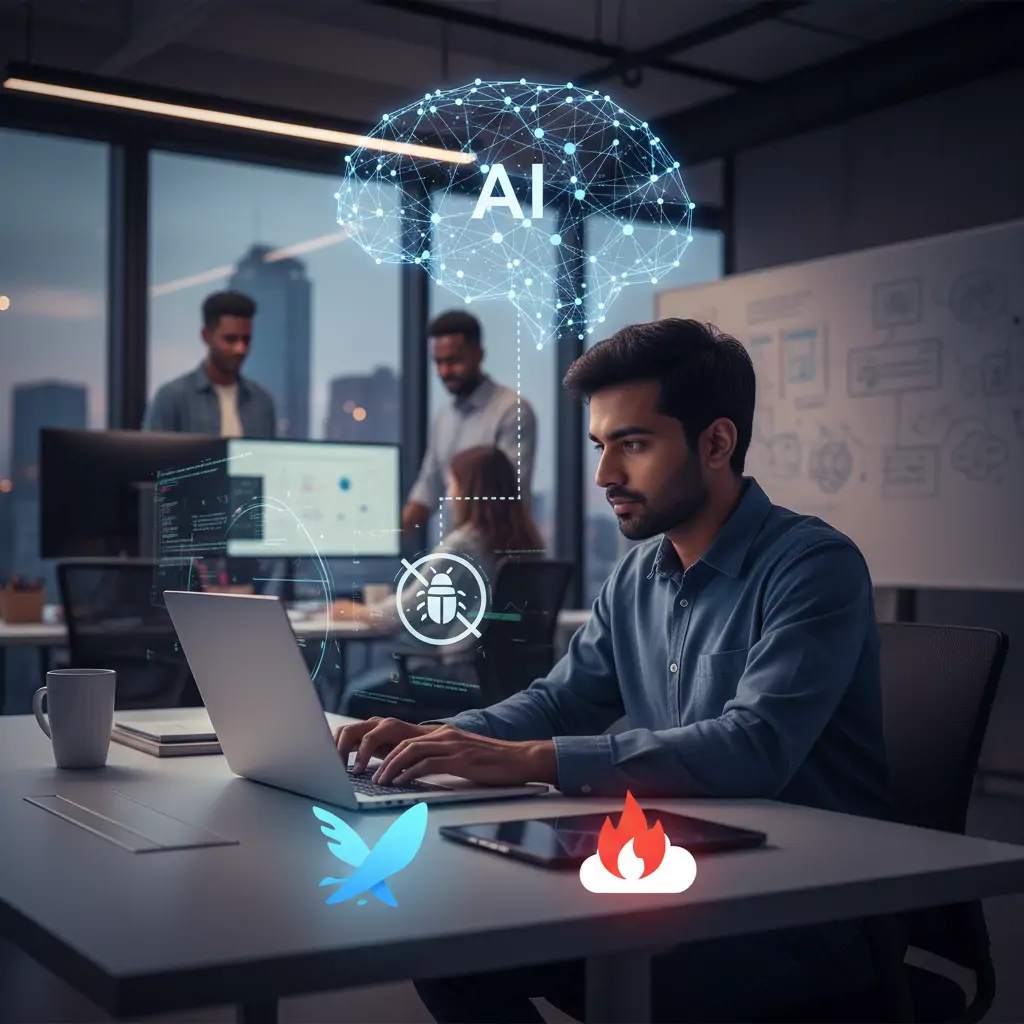
Introduction: Why This Matters Now
In 2025, AI workflow automation is poised to redefine how teams collaborate. A recent Gartner report highlights that 72% of companies have integrated AI-driven tools into their workflow, a stark increase from 33% in 2023. This shift is not just about efficiency but fundamentally transforming workplace dynamics.
For industries reliant on team collaboration, such as tech and finance, AI automation presents an opportunity to streamline processes, enhance productivity, and innovate faster. This analysis dives into the trends, drivers, and implications of AI workflow automation.
Estimated read time: 15 minutes
The Current State: What's Happening Right Now
Since late 2024, major players like Microsoft with its Project Cortex and Google's AI-enhanced Collaborative Suite have spearheaded the move towards AI-driven collaboration. As of February 2025, Project Cortex has reportedly enhanced task efficiency by 40% across its user base.
Additionally, the global market for AI in workflow automation reached $4.7 billion in 2024, projected to hit $10.5 billion by the end of 2025. Traditional methods that relied heavily on manual input and human decision-making are failing to keep up with the speed and accuracy that AI solutions provide.
Key Drivers: What's Fueling This Trend
Driver 1: Economic Pressures
With global economic fluctuations, companies are driven to cut costs while enhancing productivity. AI solutions reduced operational costs by 23%, according to a 2024 McKinsey survey.
Driver 2: Technological Advancements
The rapid advancement in AI technologies, such as natural language processing and machine learning, has made sophisticated automation accessible to companies of all sizes.
Driver 3: Rising Demand for Remote Work Solutions
With a 58% rise in remote work adoption since 2023, there's an increased demand for tools that support seamless collaboration across geographies.
Real-World Impact & Case Studies
Case Study 1: Slack's AI Integration
Slack integrated AI-based predictive analytics in March 2024, enhancing project management accuracy by 35%. This initiative reduced project delays by 20% and provided actionable insights to teams, a key lesson in leveraging AI for predictive capabilities.
Case Study 2: Asana's Machine Learning Algorithms
In January 2025, Asana implemented machine learning algorithms to automate task assignments, resulting in a 30% boost in team efficiency and 25% reduction in task overlap, demonstrating the power of AI in optimizing resource allocation.
Industry Implications
For Developers
- Learn AI-centric programming languages like Python and tools such as TensorFlow.
- New career avenues in AI integration and development.
For Businesses
- Strategic shift towards investing in AI tools to maintain competitive edge.
- Potential for market leadership through enhanced collaboration.
For Investors
- Opportunities in startups focused on AI-driven solutions.
- Risks associated with rapid AI deployment without adequate testing.
Challenges & Criticisms
Despite its advantages, AI workflow automation faces criticism over potential job displacement, data security issues, and ethical concerns. Skeptics worry about over-reliance on AI, which could lead to a loss of human oversight in crucial decision-making processes.
The potential for algorithmic bias and privacy breaches are significant hurdles that need addressing to ensure trust and transparency in AI applications.
Future Outlook: What's Next
In the short term, expect a continued emphasis on refining AI capabilities and addressing ethical concerns. Long-term, AI-driven collaboration tools will likely become the norm, integrating deeper into organizational processes.
Key milestones include advancements in AI ethics frameworks and the introduction of more intuitive AI systems that require minimal human intervention.
Frequently Asked Questions
- What are the core benefits of AI workflow automation in 2025?
- How can companies mitigate risks associated with AI implementation?
- What skill sets do employees need to stay relevant?
- Will AI replace human jobs entirely in the future?
- How are privacy concerns being addressed by AI developers?
Conclusion: Key Takeaways
- AI workflow automation is driving unprecedented efficiency and collaboration in teams.
- Economic, technological, and social factors are fueling this trend.
- While challenges exist, the potential benefits outweigh the risks.
- Staying informed and adaptable will be crucial for success in the AI era.
For further reading on AI's impact on team collaboration, explore related articles in our tech innovation series.